Defining Your Brand Personality Is a Strategic Move
In the early 2000s, Apple ran a series of iconic ads introducing two characters: "Hi, I'm a Mac" and "I'm a PC." In just a few lines of dialogue, the brand drew a sharp, memorable distinction between personality types - youthful versus uptight, creative versus corporate, simple versus stiff. It was personality as positioning and it worked quite well to personify who Apple was.
In the early 2000s, Apple ran a series of iconic ads introducing two characters: "Hi, I'm a Mac" and "I'm a PC." In just a few lines of dialogue, the brand drew a sharp, memorable distinction between personality types - youthful versus uptight, creative versus corporate, simple versus stiff. It was personality as positioning and it worked quite well to personify who Apple was.
Before you move a single pixel, before you sketch a single wireframe, before you draft the first line of copy - define your brand personality. It is the north star of every strategic, visual, and experiential decision that follows. And for B2B companies especially, personality is often the difference between being just another option and becoming the obvious choice.
At bennu, we believe a brand’s personality is unearthed, not invented. That means putting in the work: real discovery. Not a shallow survey. A strategic effort combining internal alignment, market analysis, audience mapping, and visual and verbal prototyping.
Start With Discovery: The Prerequisite to Personality
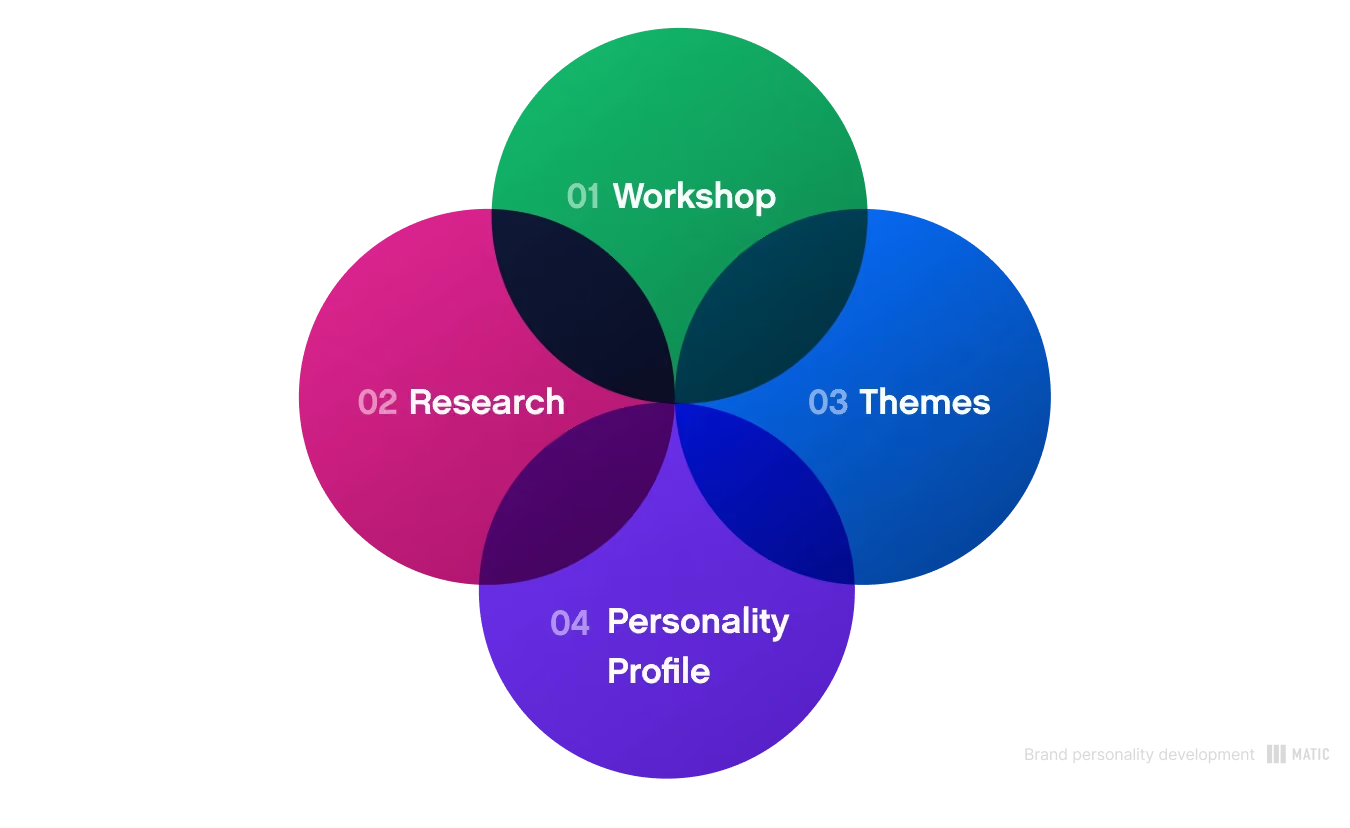
Every great brand personality begins with depth. A bennu-style discovery effort includes:
Visioning Workshops – Clarify the company's true ambition, both strategic and emotional.
Audience Research – Understand what your audience expects, believes, and desires—before telling them who you are.
Market + Competitive Themes – Identify tropes, sameness, and spaces no one is owning.
Moodboards + Stylescapes – Visualize tone and texture long before settling on a logo.
This work surfaces the materials for personality definition. From there, we can align how you want to be perceived with how you actually show up.
Why Brand Personality Matters (And How to See It)
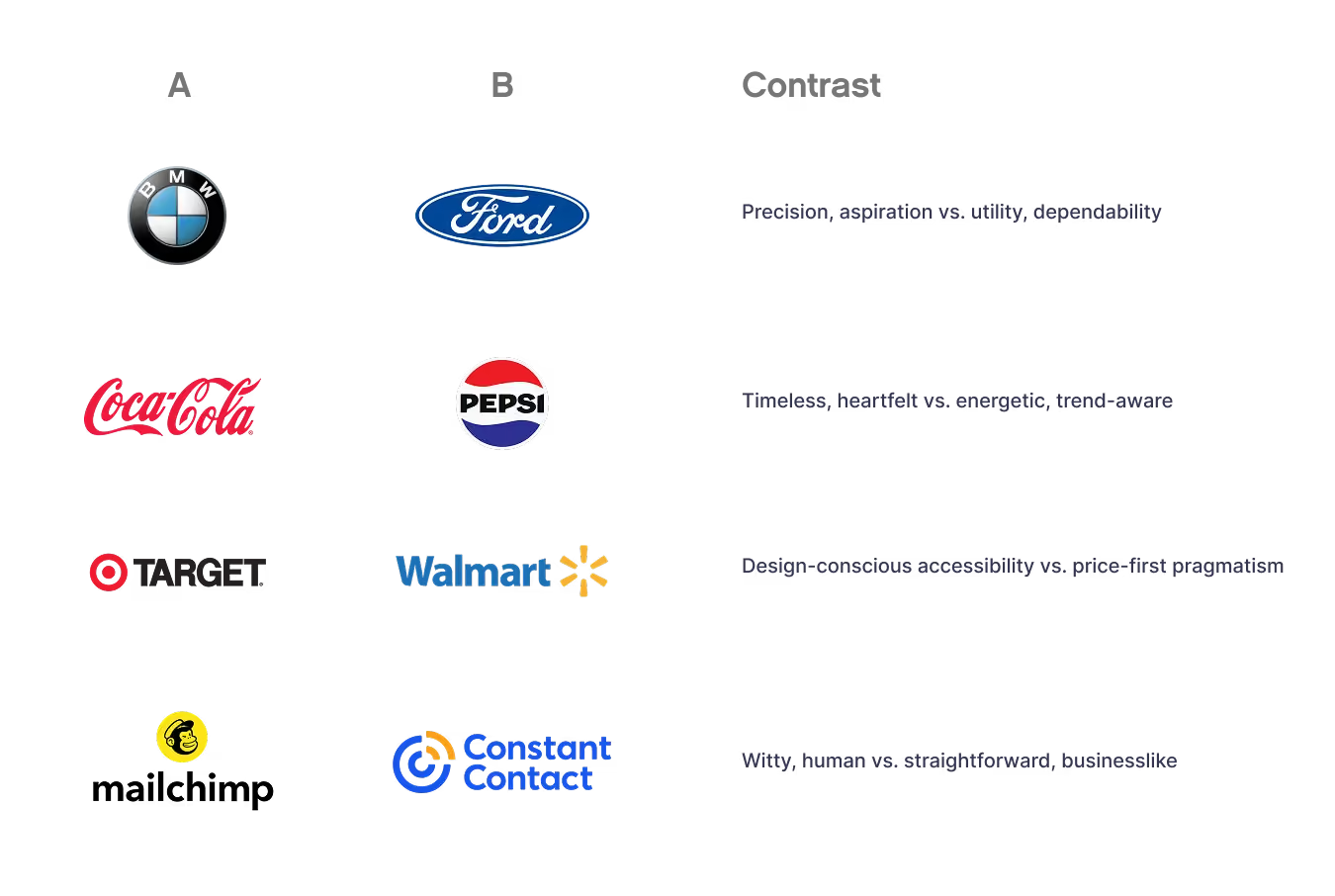
To make the value of brand personality tangible, let’s contrast some iconic examples:
Your brand personality is not just how you sound - it will establish how your audience should feel about your company: in product, in service, in voice, in behavior.
Brand Personalities in the B2B World
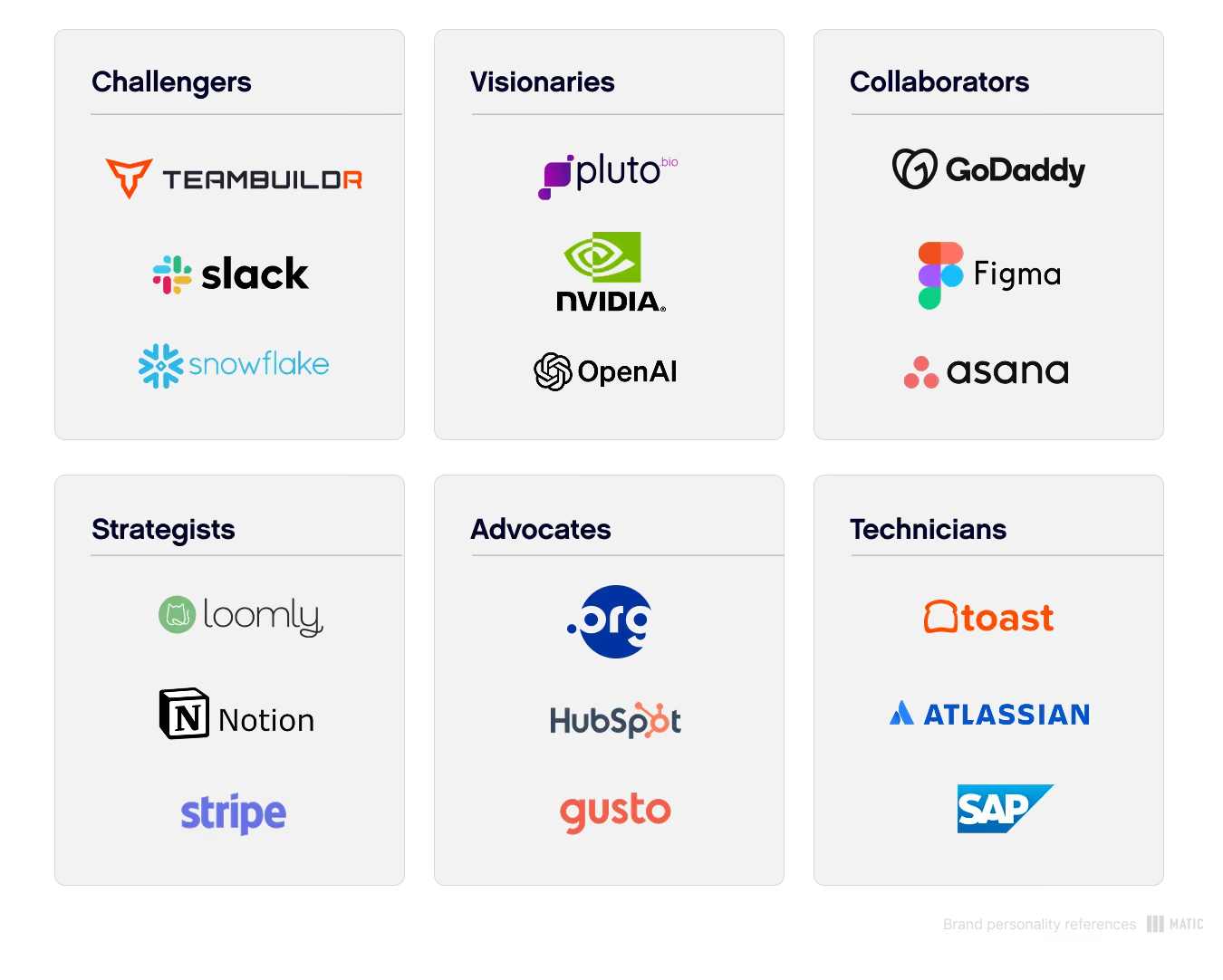
B2B brands often overlook personality or reduce it to tone of voice. But personality is expressed through decision-making, design choices, customer service models, and even product philosophy. Below are seven personality types we’ve uncovered and defined through our work at bennu:
The Challenger Direct, confident, and performance-obsessed. A brand that leads with strength, challenges convention, and speaks with no wasted words.
The Visionary Curious, ambitious, and future-facing. A brand that inspires belief in what’s coming, not just what is.
The Collaborator Inclusive, pragmatic, and accessible. A brand that builds trust by inviting participation and aligning across diverse stakeholders.
The Strategist Sharp, precise, and intentional. A brand that positions every move with clarity and reinforces value with simplicity.
The Advocate Supportive, empathetic, and proactive. A brand that communicates care and capability in equal parts.
The Technician Structured, reliable, and technically fluent. A brand that communicates through function, confidence, and clarity.
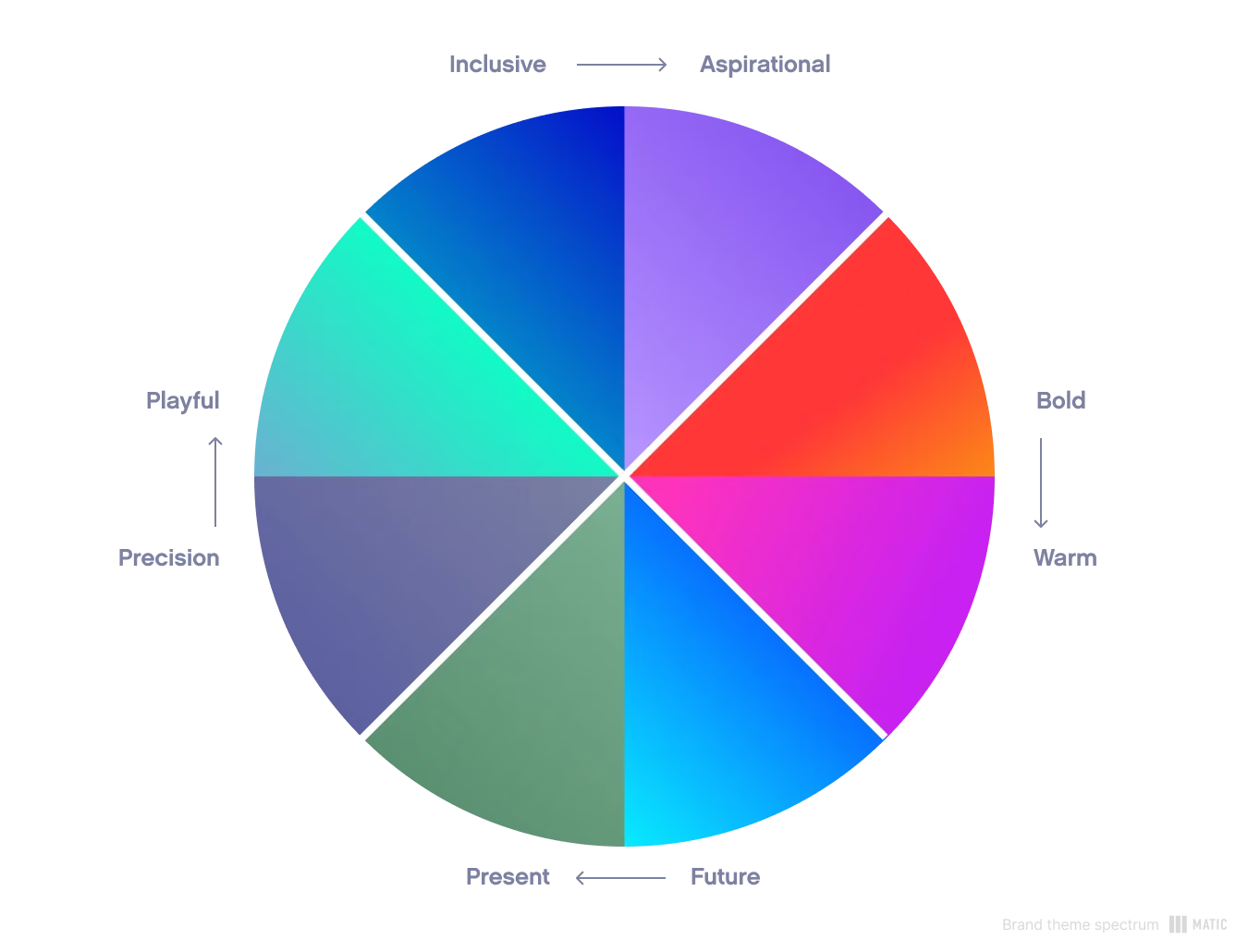
Mapping the Personality Spectrum
Consider your brand personality as a series of decisions that speak to your culture, aspiration, market position, and customer needs. This visual framework helps teams understand the nuance between traits like boldness and warmth, or futurism and practicality. It’s a tool to spark alignment and give shape to often abstract brand discussions.
Personality is more than a mood
Brand personality becomes useful when it becomes operational. That means:
Aligning it with product and service behaviors
Carrying it into UI/UX patterns, content types, and campaign tones
Codifying it into systems that scale: messaging frameworks, visual guidelines, onboarding playbooks
It’s not just the color of your site or the tone of your emails. It’s the posture your team takes in every experience your brand creates.
Final thought
When building or evolving your brand, explore brand personality as the outcome of strategy, not the starting line.
Too many companies start branding with design, leaning heavily into existing assumptions about their brand personality. But design should be the result of strategic discovery - of clarity about who you are, who you're for, and how you behave. Consider exercises like immersion workshops, personality mapping, or tone-of-voice labs to let your brand identity emerge naturally from strategy rather than forcing it from the start.
Your personality isn’t decoration. It’s your differentiator. It’s your lens. And it’s one of the few things your competitors can’t copy.
Want help finding yours? Let's talk.
Related Posts
More from the team on what's shifting and what to do about it.